
Education is often spoken about as if access alone solves the problem. Build a school. Provide books. Enroll children. But for millions in underserved communities, education is not blocked by a single locked door—it is guarded by multiple invisible barriers that rarely make headlines.
The Reality Beyond Enrollment
In many low-income and marginalized communities, children are technically “enrolled” in schools. Yet attendance is irregular, learning outcomes are weak, and dropouts are common. Why? Because education does not exist in isolation—it is deeply connected to social, economic, and emotional realities.
Poverty forces children into early responsibility. A child may skip school to care for siblings while parents work, help with household labor, or earn supplemental income. For families living day-to-day, education feels like a long-term luxury against short-term survival.
When Infrastructure Isn’t Enough
Even where schools exist, basic infrastructure often does not. Overcrowded classrooms, lack of trained teachers, poor sanitation facilities—especially for girls—and minimal learning resources create environments where children struggle to thrive.
For many girls, the absence of clean toilets or menstrual awareness quietly pushes them out of school. For children with learning gaps, the lack of remedial support slowly erodes confidence until disengagement feels inevitable.
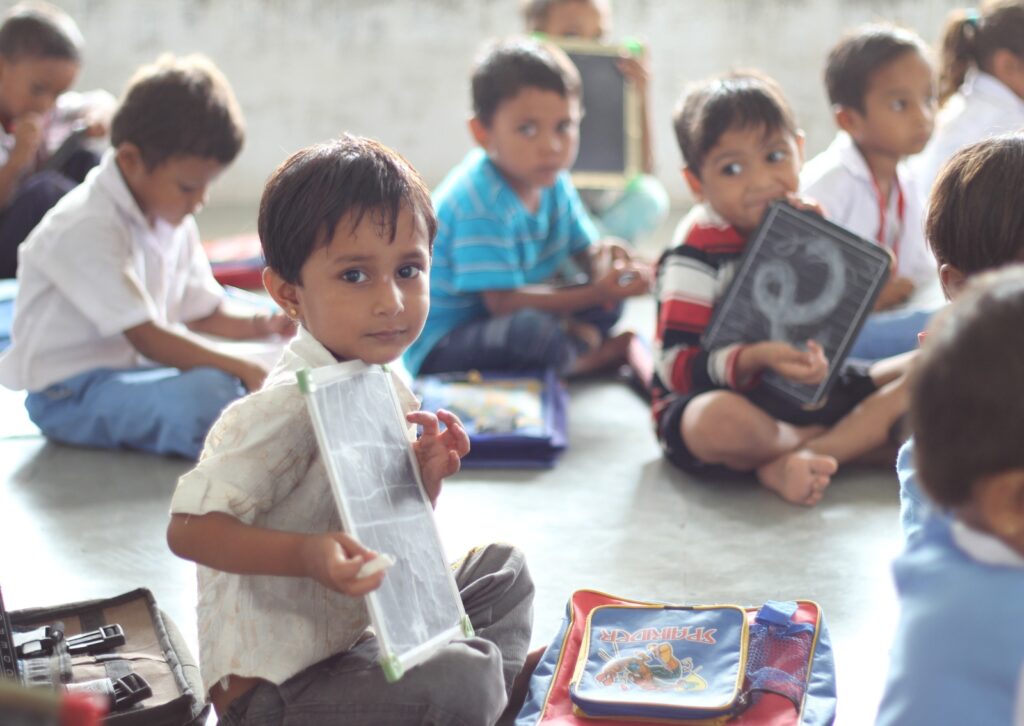
Language, Mobility, and Social Exclusion
Children from migrant families face frequent disruptions in schooling. Language barriers further alienate them in classrooms that don’t accommodate diverse backgrounds. Add caste-based discrimination, social exclusion, or lack of documentation, and education becomes a maze rather than a pathway.
These are not failures of children. They are failures of systems that do not account for lived realities.
Why Awareness Matters
One of the biggest barriers is invisibility. These challenges rarely show up in statistics or enrollment data. Without awareness, solutions remain surface-level.
At Shyra Foundation, we believe education interventions must start with understanding context—working with communities, not just for them. Supporting learning means addressing nutrition, confidence, family engagement, and safe spaces alongside academics.
Education as an Ecosystem
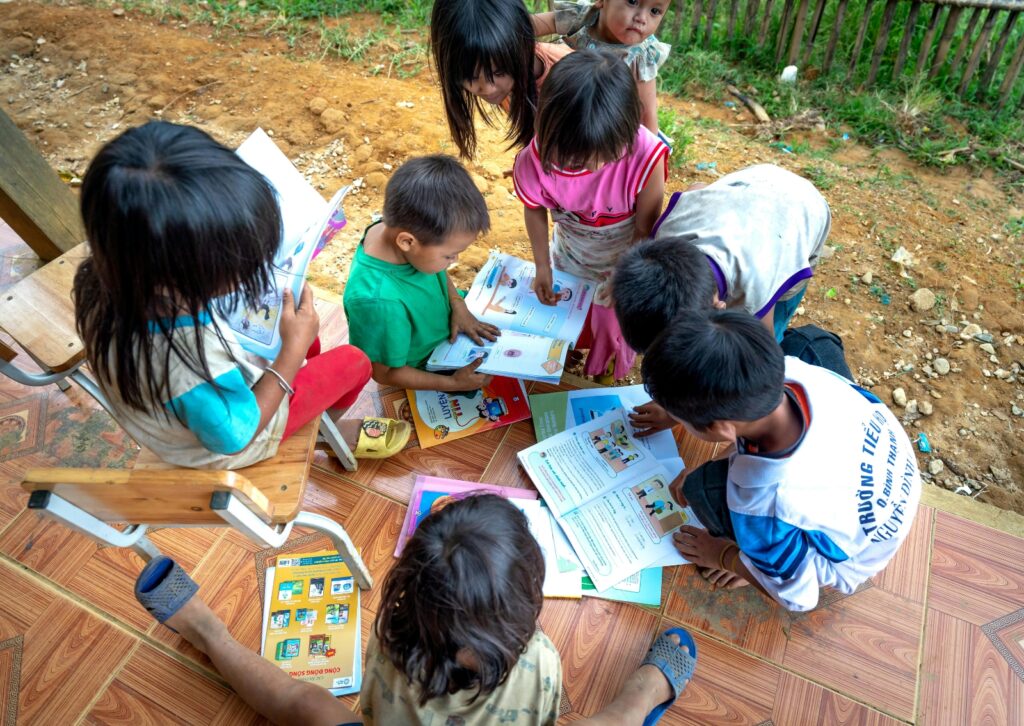
When we treat education as an ecosystem rather than a transaction, outcomes change. Small, community-led efforts—learning support, mentorship, parental awareness, and safe environments—can dramatically improve retention and confidence.
A Collective Responsibility
Breaking these hidden barriers requires collective action—educators, communities, policymakers, donors, and volunteers working together. Education cannot succeed when children are expected to overcome systemic challenges alone.
Awareness is the first step toward change. By supporting organizations that address education holistically, you help remove the invisible walls keeping children from learning. One informed step can open many doors.